Common Garden Design Mistakes and How to Avoid Them


Poor Planning and Layout
One of the most common garden design mistakes is poor planning and layout. Without a clear plan, gardens can become disorganized and chaotic. It’s crucial to start with a well-thought-out design that considers the space, sun exposure, and intended use. Begin by sketching a layout and deciding on key areas such as pathways, seating, and planting zones. This will help you create a cohesive and functional garden.

Ignoring Scale and Proportion
Scale and proportion are fundamental in garden design. A small garden overwhelmed by large plants, or a large space with tiny features, can look unbalanced. To avoid this, choose plants and structures that complement the size of your garden. Consider the mature size of plants to ensure they fit well within your design as they grow.
Overcrowding Plants
Overcrowding is another frequent mistake that can lead to unhealthy plants and a cluttered appearance. It’s essential to understand the growth habits and spacing requirements of your chosen plants. Allow adequate space for each plant to thrive without competing for resources. This not only improves the garden’s aesthetics but also its health.
Neglecting Soil Quality
The importance of soil quality cannot be overstated. Many gardeners overlook this critical element, leading to poor plant performance. Conduct a soil test to determine its pH and nutrient levels. Based on the results, amend the soil with organic matter, compost, or fertilizers as needed. Healthy soil is the foundation of a vibrant garden.
Underestimating Maintenance
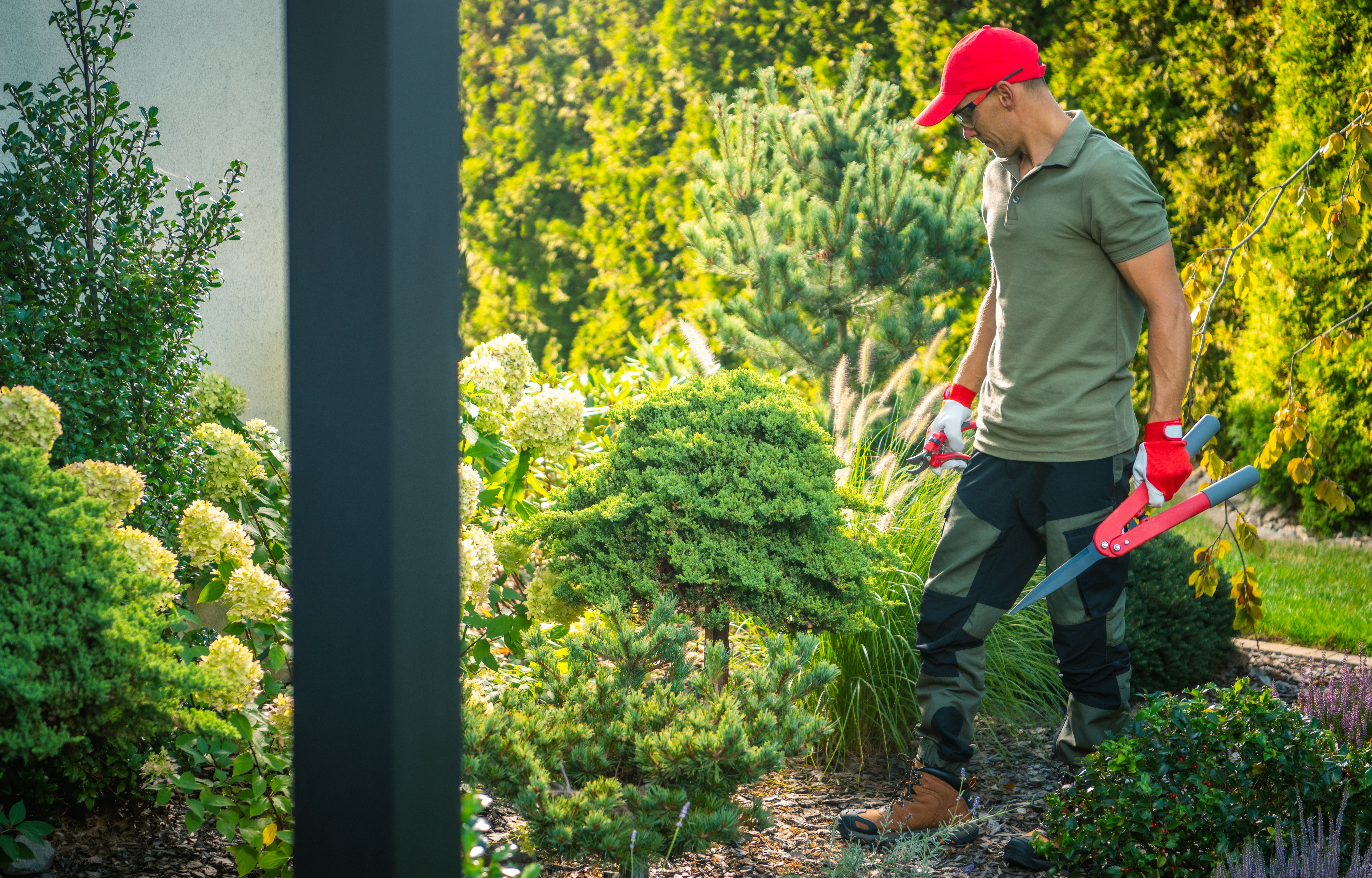
Gardens require regular maintenance, and underestimating this can lead to overgrown and unkempt spaces. Plan for the amount of time and effort you can realistically dedicate to your garden. Choose low-maintenance plants and consider automated watering systems to reduce the workload. Regular pruning, weeding, and mulching are essential tasks that should not be overlooked.
Ignoring Seasonal Changes
Another mistake is failing to consider how your garden will change with the seasons. A garden that looks beautiful in spring but barren in winter can be disappointing. Plan for year-round interest by including a mix of evergreen plants, seasonal flowers, and features like sculptures or fountains that provide visual appeal even in the colder months.
Choosing the Wrong Plants
Selecting plants that are not suited to your climate or soil type is a common error. Research the specific needs of plants before purchasing them, considering factors like hardiness zones, water requirements, and sun exposure. Opt for native plants that are adapted to your local conditions, as they are more likely to thrive and require less maintenance.
Forgetting About Wildlife
Finally, consider the wildlife that will interact with your garden. Attracting beneficial insects, birds, and other wildlife can enhance the health and beauty of your garden. Incorporate plants that provide food and shelter for these creatures, and consider sustainable practices to create a balanced ecosystem.
By avoiding these common mistakes, you can create a garden that is not only beautiful but also functional and sustainable. Thoughtful planning and ongoing care are key to achieving a stunning outdoor space that you can enjoy for years to come.