Common Garden Design Mistakes and How to Avoid Them


Overlooking the Importance of Planning
One of the most common mistakes in garden design is diving in without a solid plan. Many gardeners are eager to start planting, but neglecting to plan can lead to a disorganized and inefficient garden. Before you begin, consider the space you have, the climate, and the types of plants that will thrive in your area. A well-thought-out plan can save you time and money in the long run.
Creating a Cohesive Layout
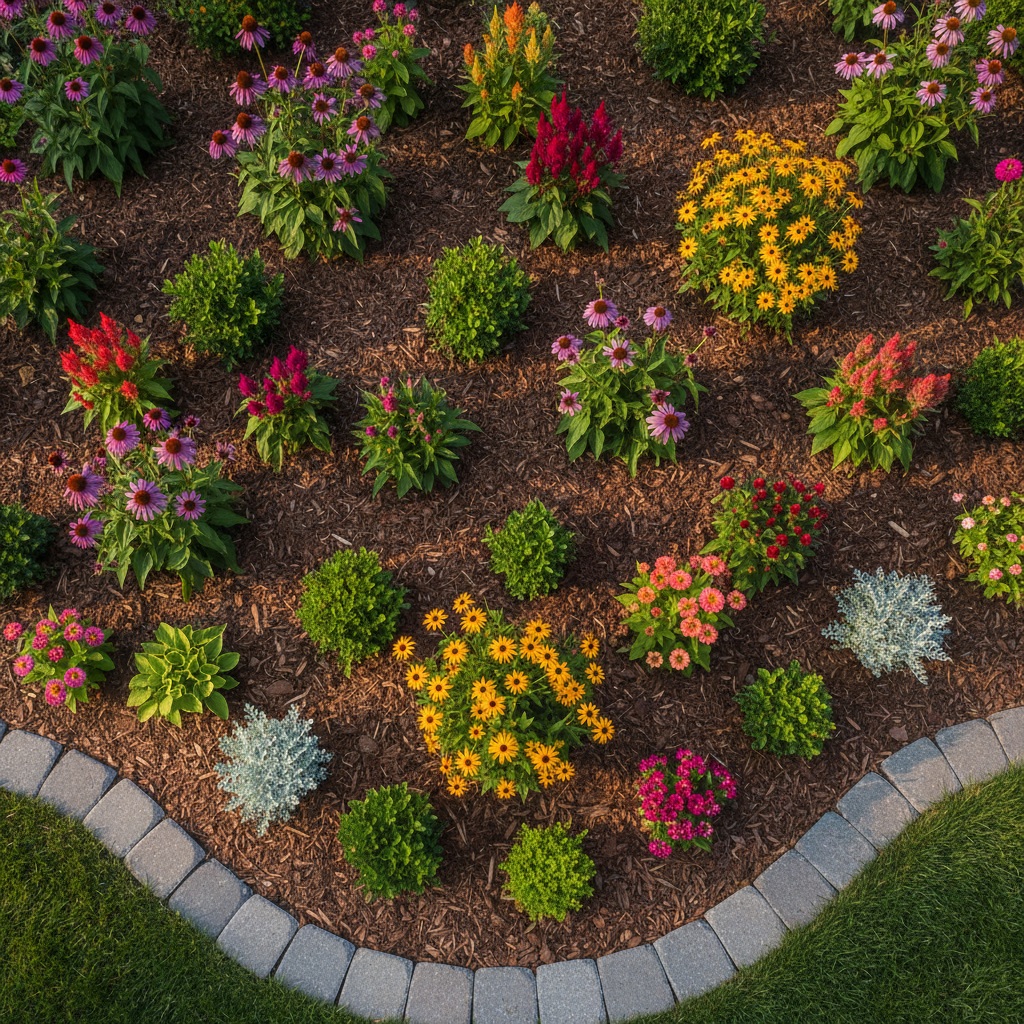
A cohesive layout is essential for a beautiful garden. Avoid the mistake of planting randomly without considering the overall design. Think about the flow of your garden and how each area will connect. Use paths, borders, and focal points to create a sense of harmony and guide visitors through the space.
Ignoring Soil and Drainage Needs
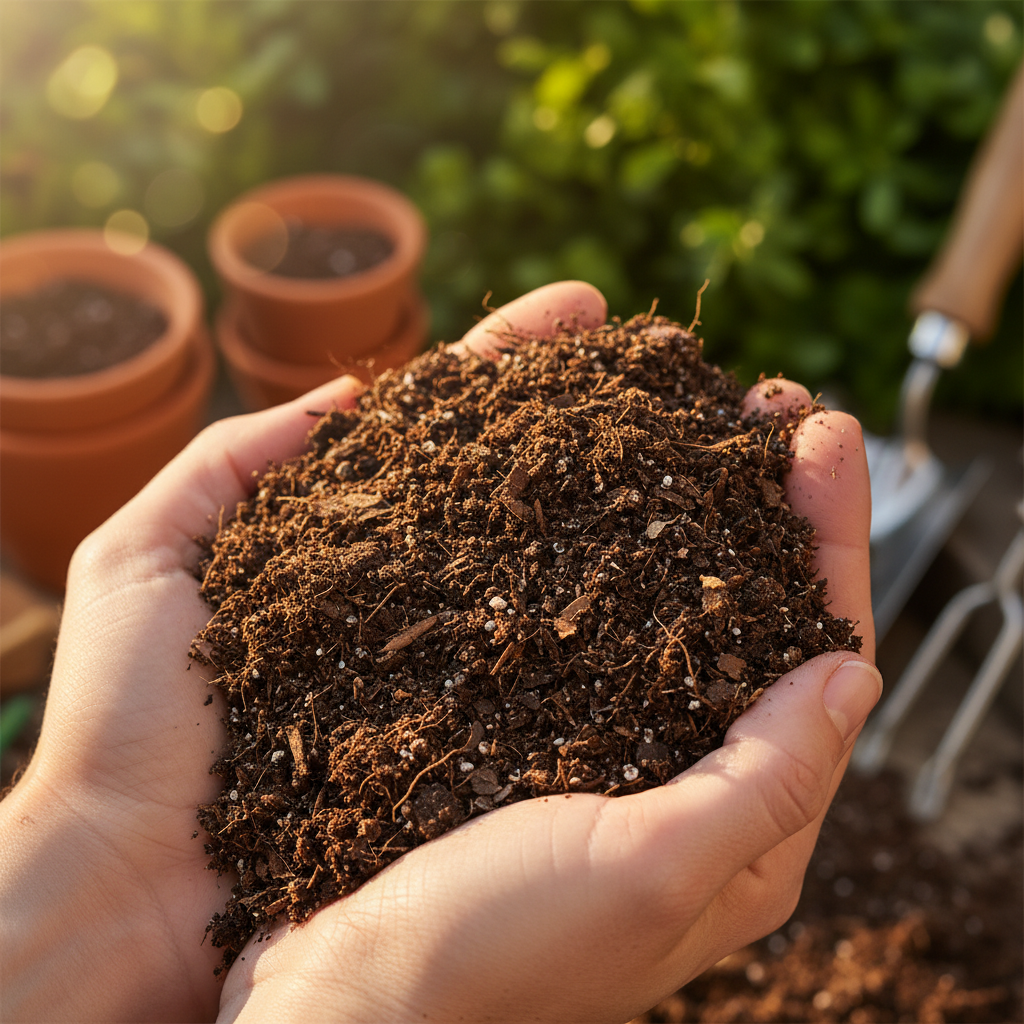
Another frequent oversight is ignoring soil quality and drainage. Healthy soil is the foundation of any successful garden. Conduct a soil test to determine its composition and nutrient levels. Depending on the results, you may need to amend your soil with organic matter or fertilizers. Additionally, ensure proper drainage to prevent waterlogging, which can harm your plants.
Choosing the Right Plants
Selecting the wrong plants for your garden can lead to disappointment. Consider your climate, soil type, and the amount of sunlight each area receives. Choose plants that are well-suited to these conditions. Mixing plants with similar water and light needs can also simplify maintenance and create a more balanced ecosystem.
Overcrowding Plants
It's easy to underestimate how much space plants need as they grow. Overcrowding can lead to poor air circulation, increased disease risk, and competition for resources. Be sure to follow spacing guidelines on plant labels and consider the mature size of each plant when designing your garden layout.
Maintaining Scale and Proportion
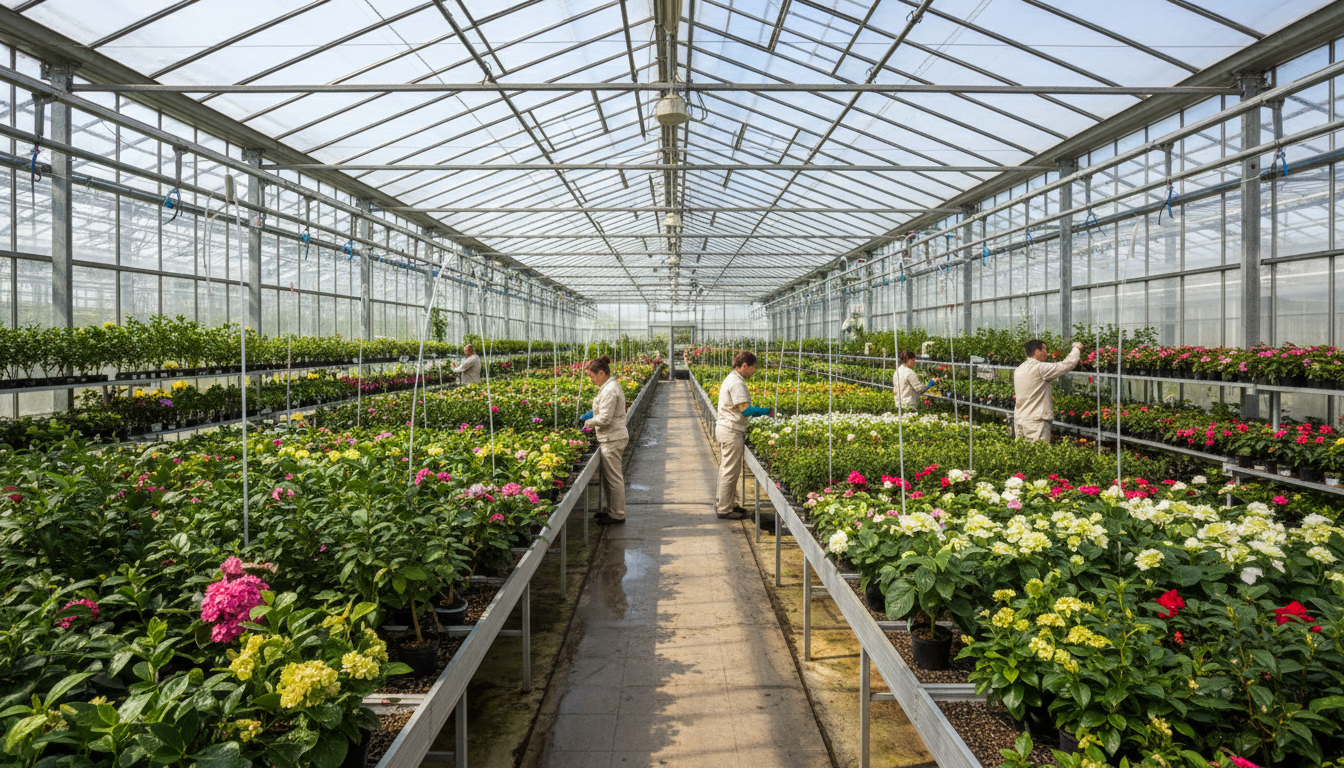
A successful garden design maintains a sense of scale and proportion. Avoid planting large trees or shrubs in small spaces, as they can overwhelm the area and block sunlight. Conversely, small plants can get lost in larger landscapes. Balance different plant sizes to create a visually appealing garden.
Neglecting Seasonal Interest
Many gardens look great in one season but lack interest the rest of the year. To avoid this pitfall, incorporate a variety of plants that bloom at different times. Use a mix of evergreen and deciduous plants, along with perennials and annuals, to ensure your garden remains vibrant and inviting year-round.
Incorporating Personal Touches
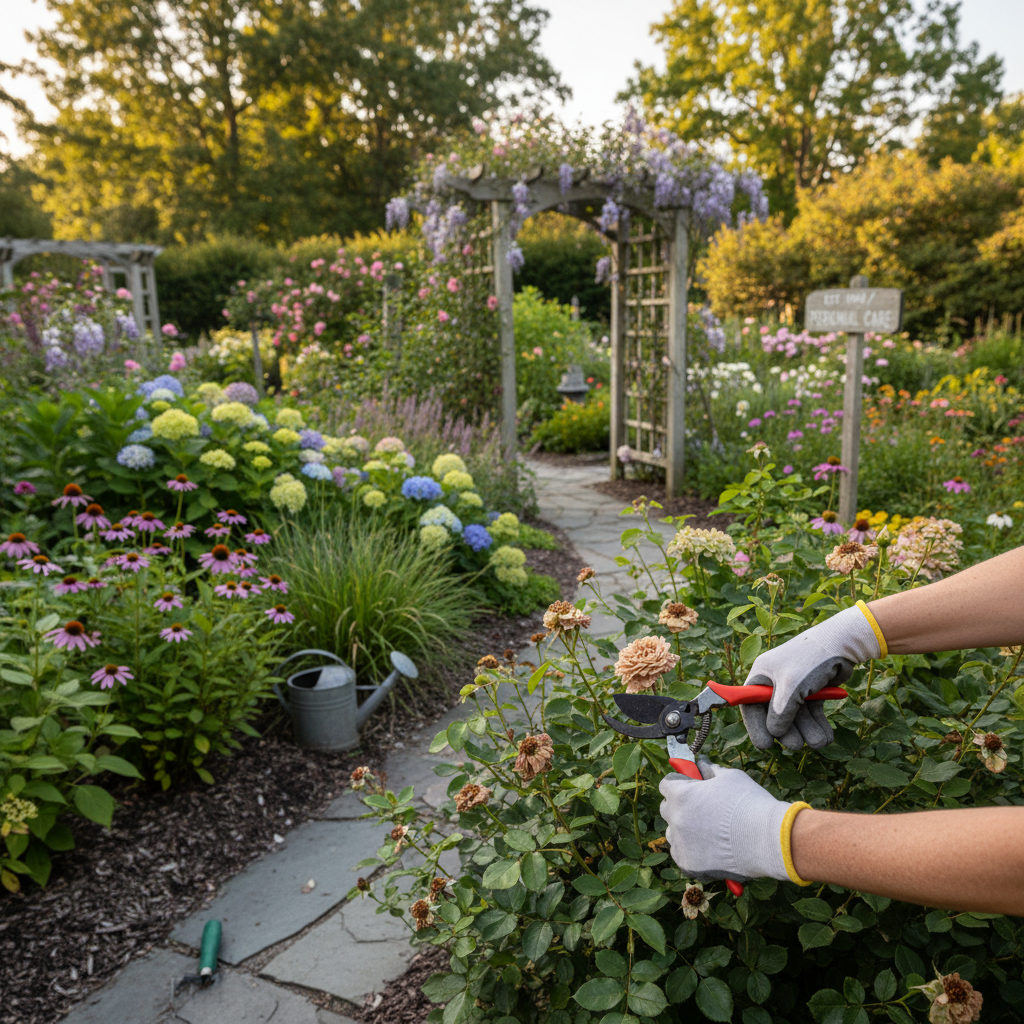
Finally, don't forget to add personal touches to your garden. Incorporate elements that reflect your personality and style, whether it's through unique garden art, a cozy seating area, or a selection of your favorite plants. These personal touches can make your garden a true reflection of your tastes and a welcoming retreat.